Guide to the End of School Year Madness
A good end-of-school-year plan helps kids feel prepared, not overwhelmed. Parents as well! The last few weeks often are filled with field trips, PTA events, performances, tests, parties, and emotional goodbyes all at once. A simple structure can make a big difference!
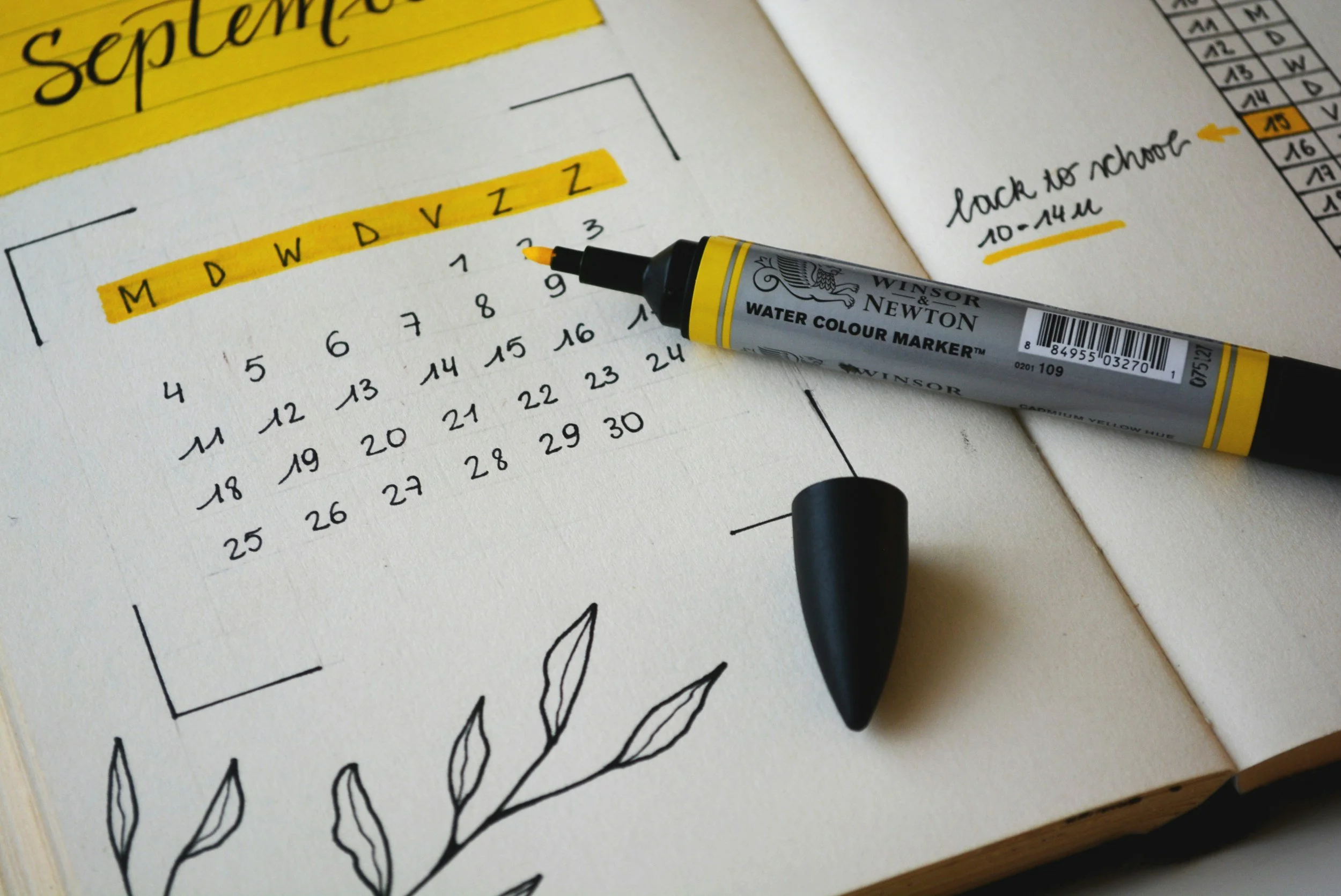
Here’s a practical plan many families find helpful:
1. Make a “May/June Map”
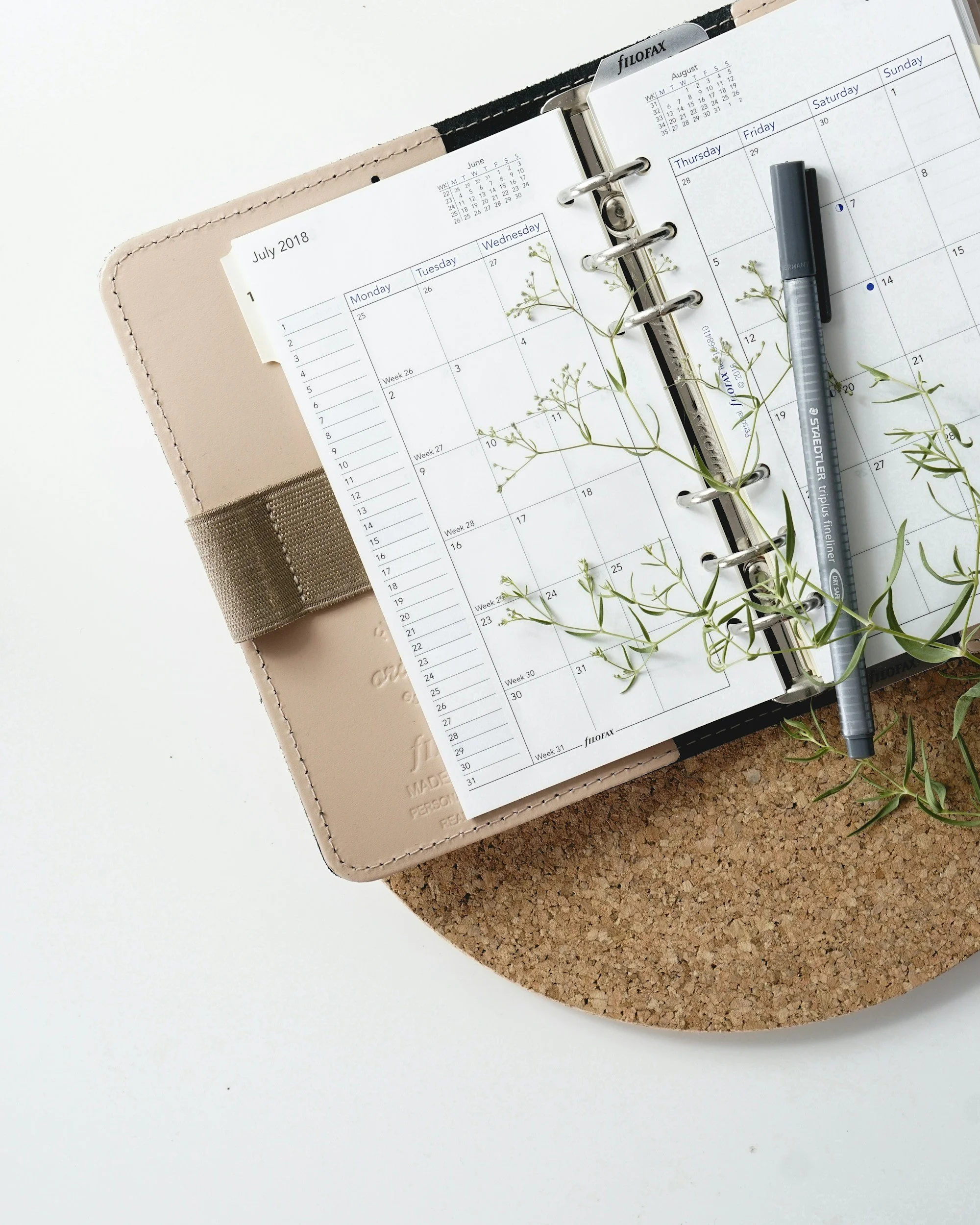
Sit down together and list all upcoming events:
concerts
graduation or promotions
spirit days
field trips
finals/tests
sports banquets
birthday parties
teacher gifts
last-day celebrations
Put everything on one calendar so kids can visually see what’s coming! This lowers anxiety because surprises feel smaller
2. Keep Routines as Stable as Possible

Kids often get dysregulated at the end of the year because routines disappear at school. Keeping home routines steady helps:
consistent bedtime
regular meals
screen limits
quiet downtime
predictable mornings
Even older kids benefit from this more than they realize.
3. Prepare for Emotional Swings

Many kids become:
extra hyper
more emotional
clingy
irritable
sentimental
That’s normal. They’re processing change, transitions, friendships, and uncertainty about summer or the next grade.
Helpful questions:
“What are you excited about?”
“What will you miss?”
“What feels stressful right now?”
4. Help Them Finish Strong Academically

Instead of pushing harder, focus on organization:
check missing assignments weekly
clean out backpacks
organize folders
help create mini study plans
encourage effort over perfection
The goal is ending with confidence, not burnout.
5. Plan Recovery Time
Many families accidentally overschedule June. Leave room for:
rest days
boredom
family movie nights
reading
outdoor time
Kids often need decompression after months of stimulation.
6. Practice Social and Gratitude Skills

End-of-year events are a great time to teach:
thanking teachers
writing simple notes
saying goodbye well
celebrating friends’ achievements
including quieter classmates
Small acts of gratitude help kids reflects positively on the year.
7. Prepare Sensory-Sensitive or Anxious Kids Ahead of Time

If a child struggles with noise, crowds, unpredictability, or transitions:
explain events in advance
review schedules
bring headphones/snacks/water
identify quiet spaces
allow breaks
avoid overscheduling multiple high-stimulation events in one day
Previewing expectations lowers stress significantly.
8. Create a Family Reflection Tradition

At the end of year, ask:
What did you learn?
What was hard?
What are you proud of?
Who helped you grow?
What do you want next year to look like?
Some families:
make a memory jar
create a photo book
write letters to future selves
keep one favorite piece of schoolwork
These traditions help children notice growth instead of just rushing into summer.
Simple Weekly Structure
A helpful weekly rhythm during the final month:
Sunday: review calendar
Monday: organize school items
Midweek: check emotional energy/fatigue
Friday: celebrate one success from the week
Weekend: prioritize rest and family connection
The biggest goal is balance: helping kids enjoy the excitement while protecting them from exhaustion. I’ve learned that a great way to help them manage feeling overwhelmed is to practice GRATITUDE.

Questions for the end of the day:
“Aren’t you so happy you have an amazing teacher?”
“Wasn’t that such a fun way to say goodbye to your class?”
“What was your favorite memory in the __ grade?”